
In the collection
9 records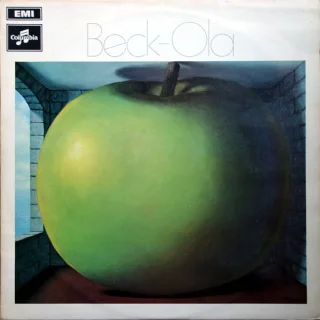 Beck-Ola
The Jeff Beck Group, 1969
Beck-Ola
The Jeff Beck Group, 1969
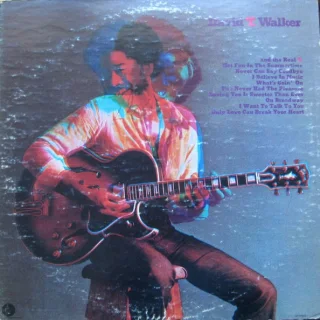 David T. Walker
, 1971
David T. Walker
David T. Walker, 1971
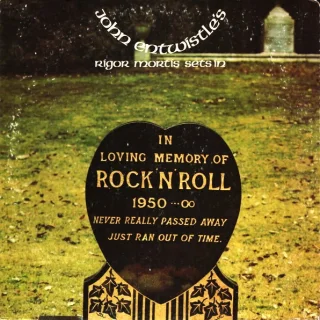 Rigor Mortis Sets In
John Entwistle, 1973
Rigor Mortis Sets In
John Entwistle, 1973
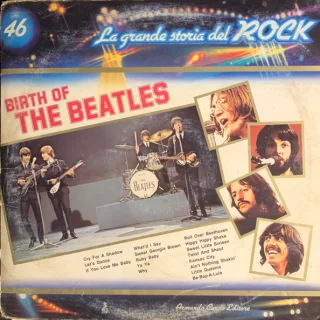 Birth Of The Beatles
The Beatles, 1982
Birth Of The Beatles
The Beatles, 1982
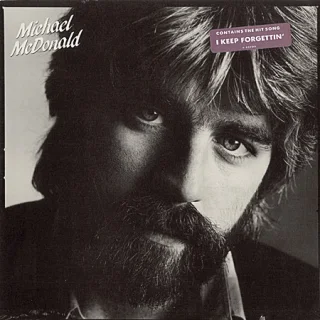 If That’s What It Takes
Michael McDonald, 1982
If That’s What It Takes
Michael McDonald, 1982
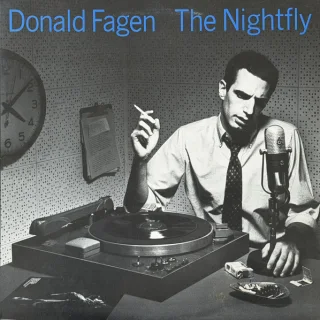 The Nightfly
Donald Fagen, 1982
The Nightfly
Donald Fagen, 1982
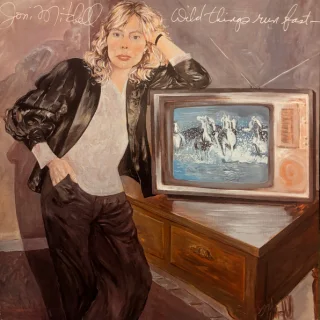 Wild Things Run Fast
Joni Mitchell, 1982
Wild Things Run Fast
Joni Mitchell, 1982
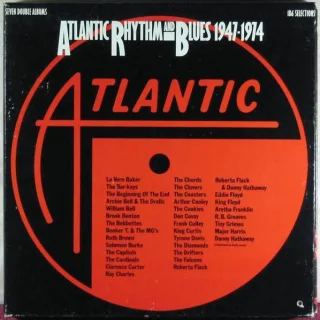 Atlantic Rhythm And Blues 1947-1974
Various, 1985
Atlantic Rhythm And Blues 1947-1974
Various, 1985
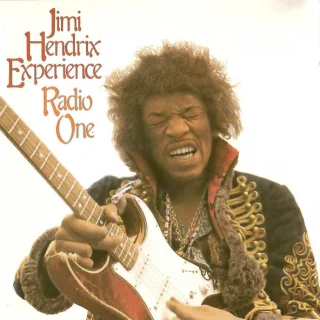 Radio One
The Jimi Hendrix Experience, 1988
Radio One
The Jimi Hendrix Experience, 1988
Played with
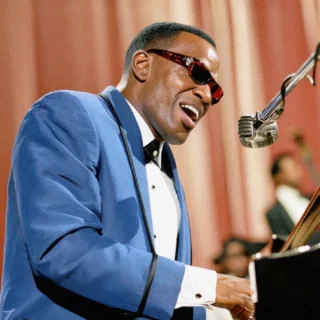 Ray Charles
2 records together
Ray Charles
2 records together
 Steve Lukather
2 records together
Steve Lukather
2 records together
 Larry Carlton
2 records together
Larry Carlton
2 records together
 Bert Russell
2 records together
Bert Russell
2 records together
 Lennon-McCartney
2 records together
Lennon-McCartney
2 records together
 Jeff Porcaro
2 records together
Jeff Porcaro
2 records together
 Greg Phillinganes
2 records together
Greg Phillinganes
2 records together
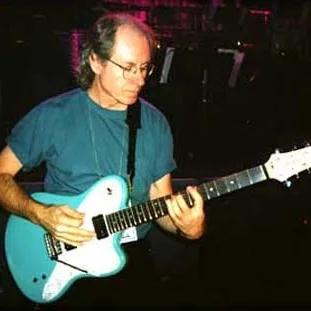 Dean Parks
2 records together
Dean Parks
2 records together
 Michael Omartian
2 records together
Michael Omartian
2 records together
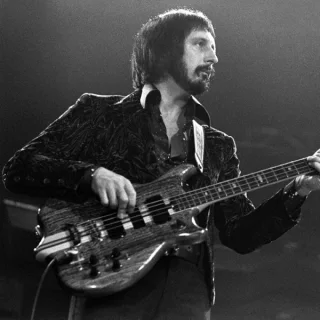 John Entwistle
1 record together
John Entwistle
1 record together
 Joni Mitchell
1 record together
Joni Mitchell
1 record together
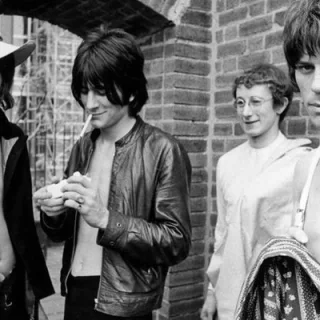 Jeff Beck Group
1 record together
Jeff Beck Group
1 record together
About
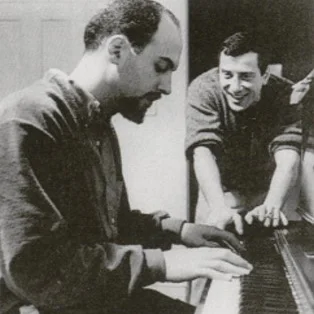
Jerome “Jerry” Leiber (born April 25, 1933 - died August 22, 2011 from cardiopulmonary failure) and Mike Stoller (born March 13, 1933) are among the most influential songwriters and music producers in post-World War II popular music.
They went on to write the successful and iconic hits “Hound Dog”, “Love Me”, “Loving You”, “Don’t”, “Jailhouse Rock”, and others for the “King”, Elvis Presley. They were inducted into the Songwriters Hall of Fame in 1985 and Rock and Roll Hall of Fame in 1987.
Starting with the The Coasters in 1957, they created a string of ground-breaking crossover hits that are some of the most entertaining in rock and roll by using the humorous vernacular of the white teenager sung by a black group in a style that was openly theatrical rather than personal. These are songs that include “Young Blood”, “Searchin’” and “Yakety Yak”. They were the first to surround black music with elaborate production values, enhancing its emotional power with The Drifters in “There Goes My Baby” and influencing Phil Spector who worked with them on recordings of The Drifters and Ben E. King and went on to form his own company and create his famous “Wall of Sound”. Leiber and Stoller went into the record business and, focusing on the “girl group” sound, releasing some of the greatest classics of the Brill Building period.